· By Brandon Boyd
Does Crawl Space Encapsulation Increase Home Value in Tennessee?
Real impact of crawl space encapsulation on Tennessee home resale value. Appraiser perspectives, home inspector behavior, and what the data shows on encapsulated vs vented homes.
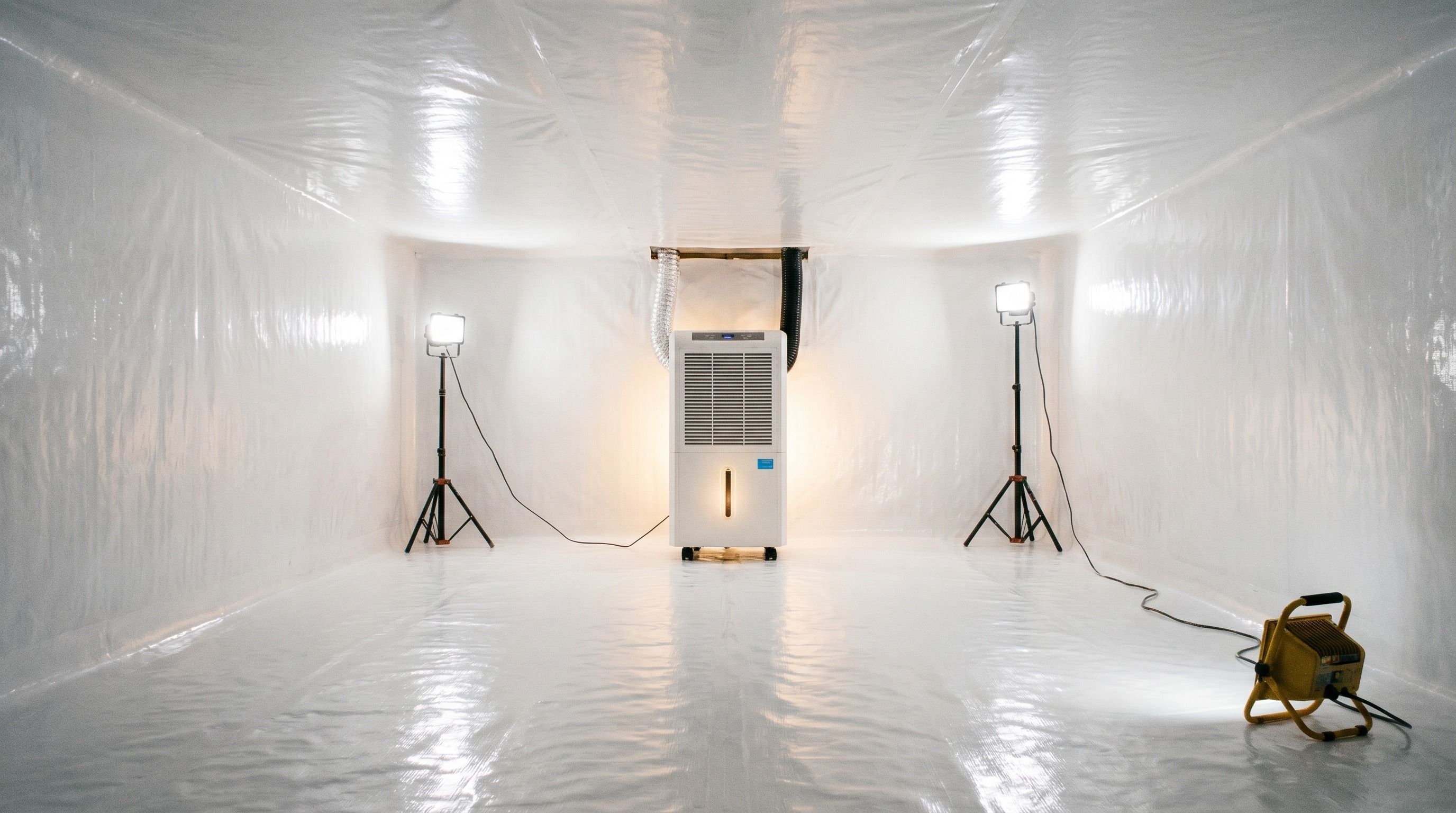
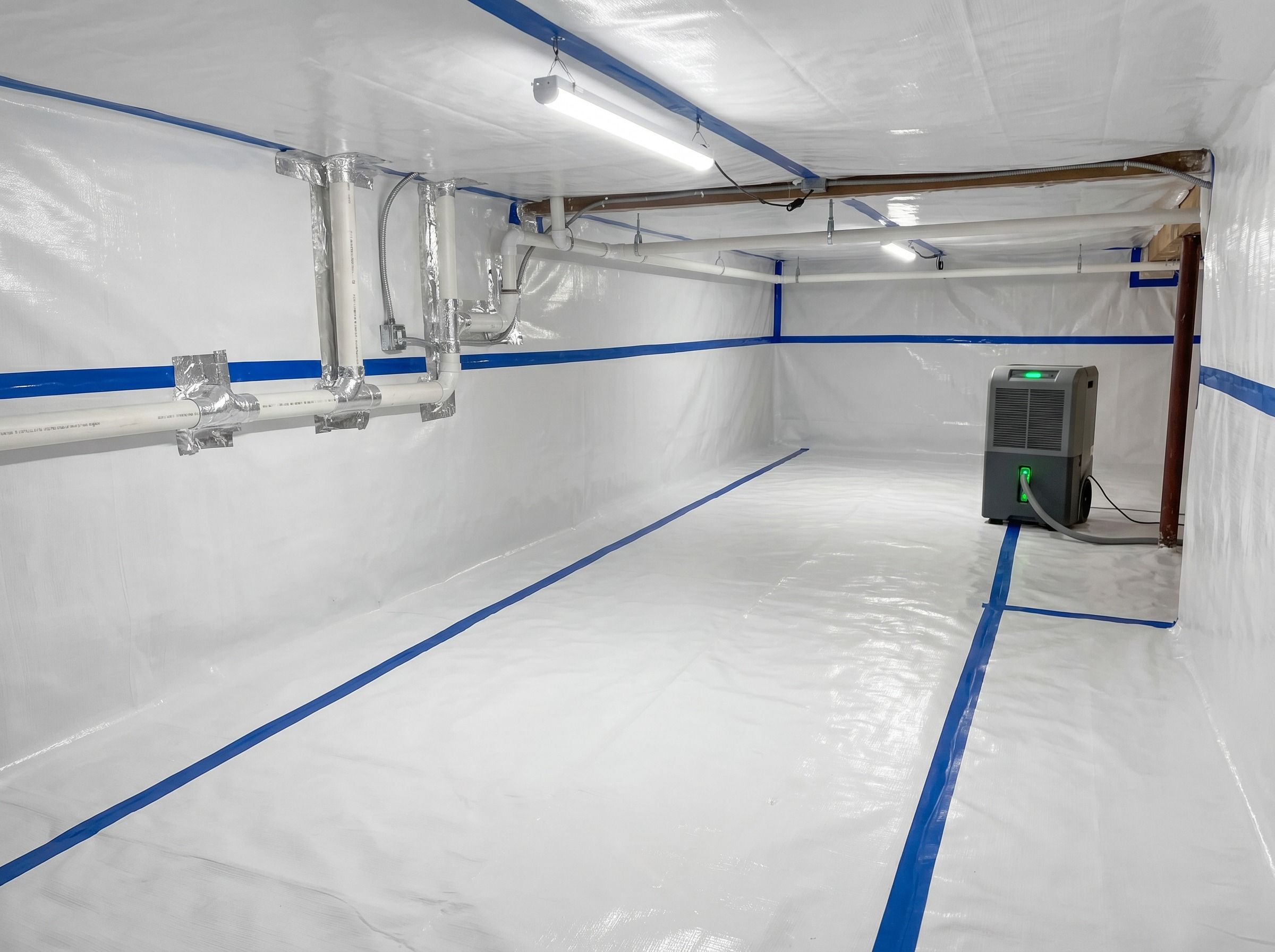
Yes. Crawl space encapsulation increases Tennessee home value, but the mechanism is more interesting than a simple “adds X dollars” answer. The real impact is what encapsulation prevents from being subtracted at the sale, not what it adds to the appraisal. Here’s how it actually plays out.
What appraisers say
Residential appraisers in Tennessee follow the Uniform Residential Appraisal Report (URAR) framework. Crawl space condition appears on the form, and appraisers typically note it as “average” (vented dirt, vapor barrier present) or “below average” (visible mold, water, deterioration).
A “below average” crawl space note triggers a comparable-property adjustment. The appraiser searches for recent sales of similar homes and adjusts the subject property downward to account for the inferior crawl space condition. Typical adjustments in Tennessee metros:
- Nashville / Franklin metros: $5,000 to $15,000 downward
- Knoxville / Chattanooga metros: $4,000 to $10,000 downward
- Smaller TN metros: $3,000 to $8,000 downward
An encapsulated crawl space rates as “above average” and gets either no adjustment or a small positive adjustment ($1,500 to $4,000 upward in some appraisals).
The encapsulation’s appraisal impact: roughly $5,000 to $20,000 in the typical case, depending on metro and existing condition.
What home inspectors do
This is where the bigger money moves. When a buyer’s inspector finds a vented crawl space with humidity issues, mold, sagging insulation, or moisture damage, they write it up explicitly:
- “Moisture concerns observed in crawl space. Recommend evaluation by encapsulation specialist.”
- “Mold-like substance present on floor joists. Remediation recommended.”
- “Vapor barrier deteriorated or absent. Replacement advised.”
These notes become negotiating leverage in the closing process. A typical Tennessee transaction with crawl space issues plays out:
- Buyer’s response: Demands seller credit or repair before closing
- Typical credit demand: $7,500 to $15,000 (the cost of professional encapsulation)
- Common outcome: Seller credits roughly half ($3,500 to $8,000) OR pays for encapsulation before closing
For a Tennessee seller, the choice is:
- Pay $8,000 for encapsulation before listing — full asking price, smooth closing
- Pay $3,500 to $8,000 in inspection-driven credits — same money out, less smooth closing
- Refuse to credit, lose the deal — back on market, similar issue next buyer
The math favors proactive encapsulation in most Tennessee resale situations.
What buyers actually pay attention to
Surveys of Tennessee homebuyers consistently rank these features as influencing offer decisions:
- Updated kitchen
- Updated primary bathroom
- Roof age
- HVAC age
- Encapsulated crawl space (in homes built before 2010)
For older Tennessee homes (the majority of pre-2010 housing stock), an encapsulated crawl space increasingly appears in MLS listings as a feature. Listings that mention it often see:
- More showings per week
- Faster offers
- Higher offer-to-asking ratios
The change reflects buyer education. Tennessee homebuyers in the past 5 years have become significantly more aware of crawl space issues, partly because home inspectors have started reporting on them more aggressively.
The “documented warranty” angle
An encapsulation that has documented paperwork — warranty terms, contractor information, installation date, photos — is worth more than an encapsulation that exists but isn’t documented.
When you transfer warranty paperwork to the new buyer at closing, you’re transferring:
- A 20+ year warranty on the vapor barrier
- A 5 to 10 year warranty on the dehumidifier
- A documented installation date for refinancing appraisals
- A specific contractor name the new owner can call for service
This converts the encapsulation from “the previous owner did some work” to a transferable home feature with measurable value. Specifically request the warranty be transferable when negotiating the original install.
What encapsulation does NOT do for value
Honesty matters:
- It doesn’t add square footage unless the crawl space becomes usable storage (which it does, but not for living space)
- It doesn’t increase the home’s “wow factor” during showings — buyers never visit the crawl space themselves
- It doesn’t matter for new construction sales built after 2015 with conditioned crawl spaces from the start
- It doesn’t justify pricing significantly above neighborhood comps
The value impact is real but specific. It’s about preventing downward adjustments more than adding upward ones.
Cost-to-value comparison
For a typical Tennessee scenario:
- Encapsulation cost: $8,500
- Appraisal impact: +$3,000 to +$8,000
- Inspection negotiation avoided: $4,000 to $10,000
- Energy savings while owning: $400 per year × 5 years = $2,000
- Total financial impact over a 5-year hold: $9,000 to $20,000
Net for a 5-year owner: roughly break-even to significantly positive. For longer holds (10+ years), the math becomes strongly positive because energy savings compound and prevented structural damage adds up.
When the value math works best
Encapsulation pays back hardest for these Tennessee scenarios:
- Pre-2010 home preparing for sale within 1 to 3 years — captures the full inspection-credit avoidance and appraisal impact
- Older home with visible crawl space issues already on inspector record — repairs the documented defect
- Home with energy bills 20%+ above neighborhood comps — captures full energy savings benefit
- Home in a high-humidity Tennessee metro (Chattanooga, Memphis) — climate magnifies all the benefits
When the value math is mixed
- Newer construction (post-2010) with already-conditioned crawl space — likely doesn’t need additional encapsulation
- Plans to sell in 6 months or less — the value capture is real but margins are tight; verify with a local realtor first
- Home in a buyer’s market with comparable encapsulated homes selling at similar prices — less differentiation value
Tennessee real estate professional perspectives
Realtors in Nashville, Chattanooga, and Knoxville report increasingly mentioning crawl space condition in listing prep conversations. The common patterns:
- Top 25% homes by price in metro: Encapsulation expected; absence is a deficiency
- Middle 50% homes: Encapsulation is a positive feature mentioned in MLS
- Bottom 25% homes: Crawl space condition is often a deferred maintenance item that affects sale price
Tennessee Realtors who deal in older neighborhoods (East Nashville, North Chattanooga, Old North Knoxville, Midtown Memphis) consistently report that encapsulation closes transaction gaps that would otherwise kill deals.
The simple framework
Should you encapsulate for resale value?
- Selling in 0 to 12 months: Probably yes, especially if the home is pre-2010 and the inspection is likely to flag issues. Discuss with your listing agent first.
- Selling in 1 to 5 years: Probably yes. You capture energy savings while owning AND the resale benefit.
- Selling in 5+ years or never: Encapsulation is justified by the non-resale benefits alone (health, energy, structural protection). Resale value is a bonus.
For most Tennessee homeowners, encapsulation is a net financial positive across reasonable holding periods. The honest framing isn’t “this adds $20K to your home value” — it’s “this prevents $5K to $15K from being subtracted at sale, plus saves $400 per year in energy, plus protects you from $25K+ in subfloor replacement costs down the road.”
If you’d like a free inspection and quote for your specific Tennessee home, submit a request through the form on this page.