· By Brandon Boyd
How Long Does Crawl Space Encapsulation Last?
Lifespan of a Tennessee crawl space encapsulation system: vapor barrier, dehumidifier, drainage. Realistic expectations and what makes the difference between 8 years and 25 years.
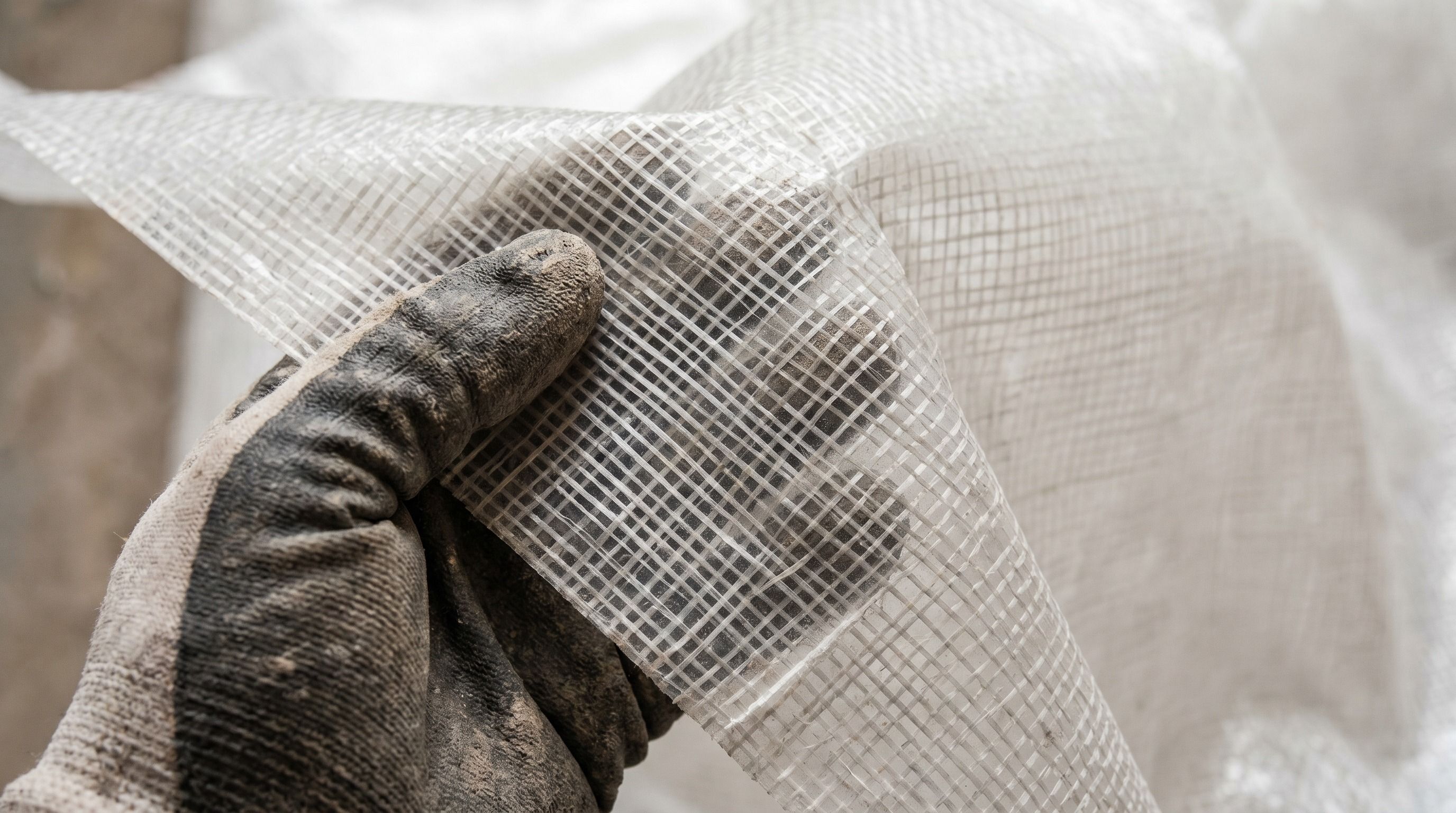
A properly installed crawl space encapsulation system lasts 20 years or longer in Tennessee. The vapor barrier itself can last 25 to 30 years. The dehumidifier is the component that typically requires replacement, at the 8 to 12 year mark. Here’s the realistic breakdown by component.
Vapor barrier: 20 to 30 years
The reinforced polyethylene vapor barrier is the longest-lasting component. Quality 12 to 20 mil barriers from established manufacturers (Americover, Polyguard, GroundGuard) carry warranties of 20 to 25 years. In practice, they last longer than the warranty period when not regularly disturbed.
What shortens vapor barrier life:
- Foot traffic from frequent crawl space entries. A barrier in a crawl space that’s accessed monthly for plumbing work degrades faster than one in an undisturbed space.
- Pest damage. Rodents and ants in a poorly sealed crawl space will chew or burrow through cheaper barriers.
- Mechanical damage during HVAC service. Technicians dragging equipment can puncture the barrier.
- Cheap material. Sub-12-mil non-reinforced sheets degrade in 5 to 10 years even without disturbance.
What extends vapor barrier life:
- Heavy reinforced material (12 to 20 mil minimum).
- Proper installation with mechanical wall attachment (not just adhesive).
- Sealed crawl space access that prevents pests and reduces incidental damage.
- Documentation of where the barrier is so future contractors don’t tear it up.
Dehumidifier: 8 to 12 years
The commercial crawl space dehumidifier is the consumable component of the system. The compressor is the limiting part — it’s a refrigeration unit running in difficult conditions, and like a refrigerator, it eventually wears out.
Quality commercial units (Aprilaire, Santa Fe, Quest) typically last:
- 8 to 10 years under heavy duty cycle (high original humidity, large crawl space)
- 10 to 14 years under light duty cycle (well-sealed crawl space, properly sized unit)
Cheap consumer-grade units sold as “crawl space dehumidifiers” (typically under $1,200 installed) often fail in 18 to 36 months. The temperature and humidity extremes of a crawl space environment are beyond what consumer dehumidifiers are rated for.
When the dehumidifier eventually fails, it’s a $1,800 to $3,500 replacement that takes a few hours. The vapor barrier and everything else remains in place.
Sump pump system: 7 to 15 years
If your encapsulation includes a sump pump system, expect:
- Primary pump: 7 to 10 years of operation, less if it cycles frequently
- Battery backup pump: 5 to 8 years (the battery itself is 3 to 5 years)
- Discharge piping: 20+ years
Sump pump systems benefit from annual testing (pour water in the basin, confirm it cycles). Most fail in spring rainy season when they haven’t run for months and the float switch is stuck.
Foundation vent covers: 15 to 25 years
The insulated covers that seal off your original foundation vents are durable but exposed to weather on the outside. Expect 15 to 25 years before they need replacement. UV from southern exposure shortens that range.
Foam board wall insulation: 30+ years
If your encapsulation includes closed-cell foam board on the foundation walls, that’s effectively permanent. The foam doesn’t degrade in a controlled crawl space environment. The only thing that takes it out is mechanical damage.
What you should do at year 5, year 10, year 15
Year 5: Visual inspection by a contractor. Check vapor barrier integrity, dehumidifier function, seal status. Cost: free if part of warranty service, $150 to $300 otherwise.
Year 8 to 10: Plan for dehumidifier replacement. The original unit may still be working, but plan financially. Consider proactive replacement if it’s been a heavy-duty environment.
Year 12 to 15: Sump pump replacement if applicable. Visual barrier check.
Year 20: Full system inspection. Most vapor barriers are still good. Some homeowners proactively replace at this point if conditions warrant.
Warranty matters more than longevity claims
A contractor offering a “lifetime warranty” on encapsulation is doing two things:
- Communicating confidence in the install quality
- Tying you to them for any future service
Read the warranty carefully. The good ones cover:
- Vapor barrier defects (manufacturer warranty passed through)
- Installation defects (separation from walls, seam failures)
- Free inspection and minor repair for the life of the warranty
The bad ones exclude almost everything (pre-existing conditions, “acts of God,” normal wear, etc.).
The honest framing: a 20-year warranty from a reputable Tennessee contractor is better than a “lifetime” warranty from a fly-by-night operator. Established companies survive long enough to honor warranties.
What kills an encapsulation system early
Two things shorten lifespan dramatically:
-
Skipping the dehumidifier. Vapor barrier alone in Tennessee climate fails within 5 years to perform — humidity creeps back up, mold returns, and the homeowner blames the barrier when the real cause was an incomplete system.
-
Cheap install. Loose seams, inadequate wall attachment, undersized dehumidifier, ignored water sources — these add up to a system that looks installed but doesn’t perform. The barrier might still be there at year 10, but the moisture levels are back to pre-encapsulation conditions.
Both come from going with the lowest bidder. A 20% lower quote often means 50% shorter lifespan.
Total lifetime cost perspective
For a Tennessee home owning the property for 30+ years:
- Initial encapsulation: $8,500
- Dehumidifier replacement at year 10: $2,500
- Dehumidifier replacement at year 22: $2,800 (inflation adjustment)
- Minor barrier repairs at year 15: $400
- Sump pump replacement at year 12: $800 (if applicable)
Total 30-year cost: roughly $15,000 — or $500 per year for a permanent solution to a problem that otherwise compounds.
Compared to ignoring the problem (subfloor rot at $25,000, periodic mold remediation at $3,000 every 5 years, chronic energy waste at $400 per year), encapsulation is the cheapest path.
If your Tennessee crawl space is overdue for attention, request a free inspection through the form on this page.
Related on this site
Tennessee metros