· By Brandon Boyd
10 Signs Your Tennessee Home Needs Crawl Space Encapsulation
The warning signs that your crawl space is failing — from musty smells to high energy bills to cupping hardwood floors. Tennessee-specific patterns and what to do about them.
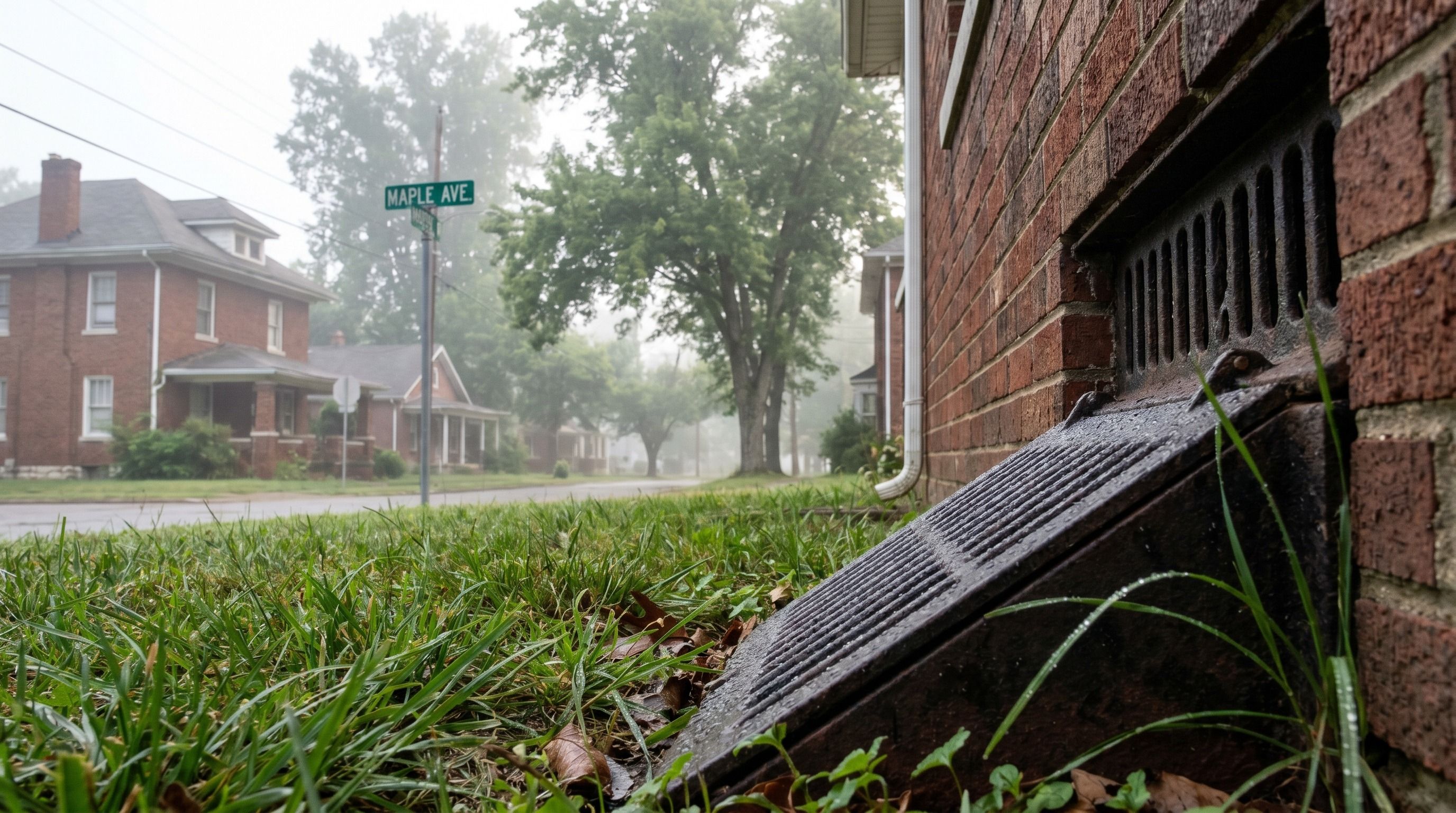
The crawl space is the most ignored part of most Tennessee homes. It’s also the source of more problems than any other single area. The warning signs below show up upstairs, in your wallet, in your respiratory health, and only finally when you (or an inspector) actually crawls underneath the house. Here are the ten patterns that mean your Tennessee crawl space is the cause.
1. A musty smell on the first floor
The single most common sign, and the one that homeowners learn to ignore over time. That damp, slightly sweet, vaguely mildewy smell isn’t coming from your couch or your closets. It’s coming from the crawl space.
Houses behave like chimneys. Warm air rises through the home and escapes out the roof. To replace that air, the house pulls new air in from the lowest point — your crawl space. In a vented Tennessee crawl space, that air is humid, often mold-spore-laden, and carries the smell of every wet thing under your floor.
If you can smell it, you have a humid crawl space problem. Encapsulation eliminates this within 48 hours of completion.
2. Hardwood floors cupping, buckling, or feeling soft
Hardwood absorbs moisture from below. When your crawl space is constantly 70 to 85 percent humidity, your hardwood floor is drinking moisture from underneath even when the top side is climate-controlled.
The visible result: edges of boards curling upward (cupping), full boards lifting at seams (buckling), and a soft, springy feel underfoot. The progression is slow, then sudden.
Encapsulation can stop the damage. It can’t reverse the warping that’s already happened, but it can prevent the next round.
3. Energy bills 20 to 40 percent higher than your neighbors
The ductwork running through your crawl space is leaking conditioned air. Studies from the Department of Energy and Building America put typical duct losses in a vented crawl space at 15 to 30 percent of total HVAC output.
In a Tennessee summer, that means your air conditioner is producing 1,000 BTU of cooling, sending it through ducts that leak 200 to 300 BTU into the crawl space, and you’re paying for it all.
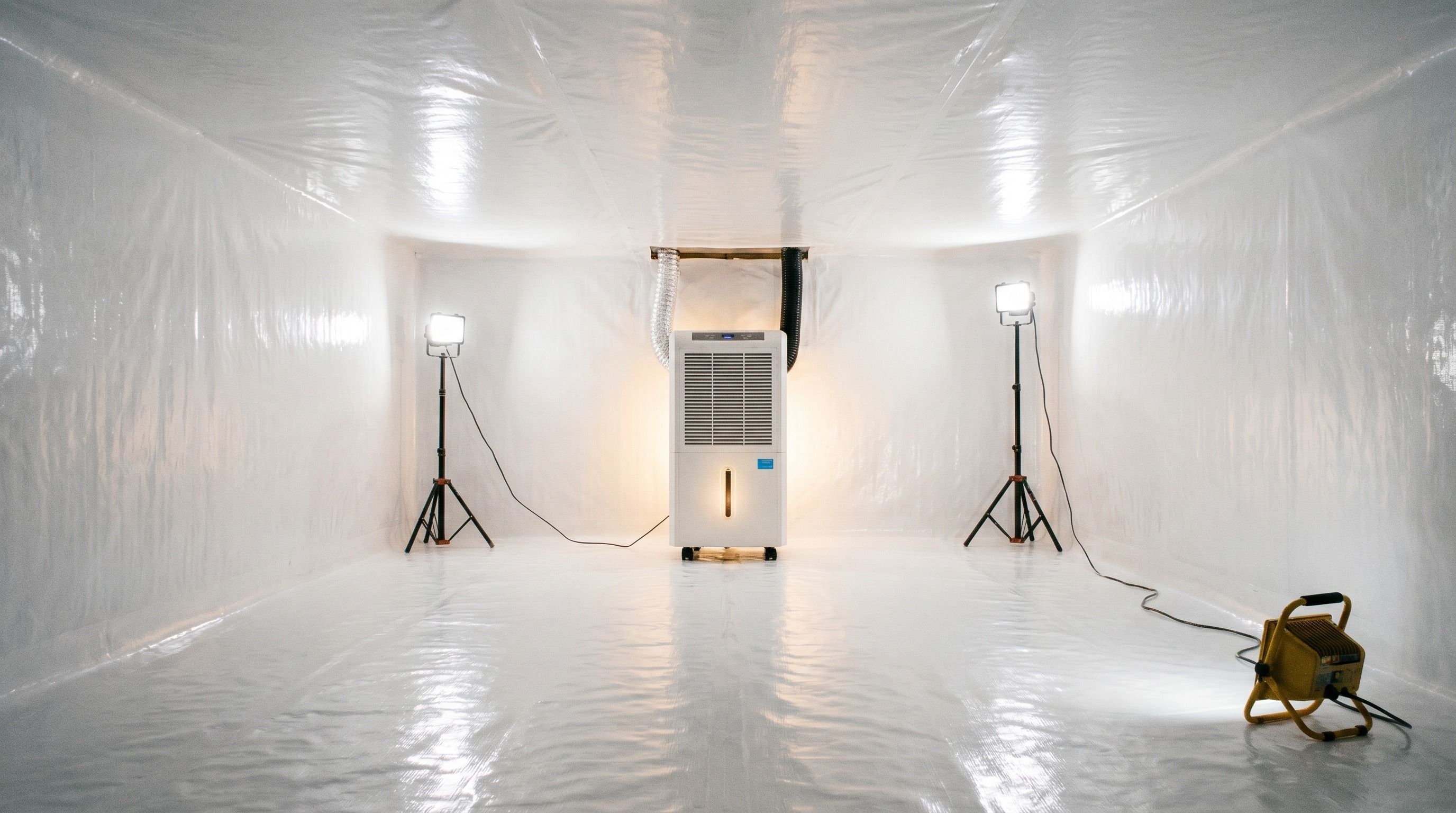
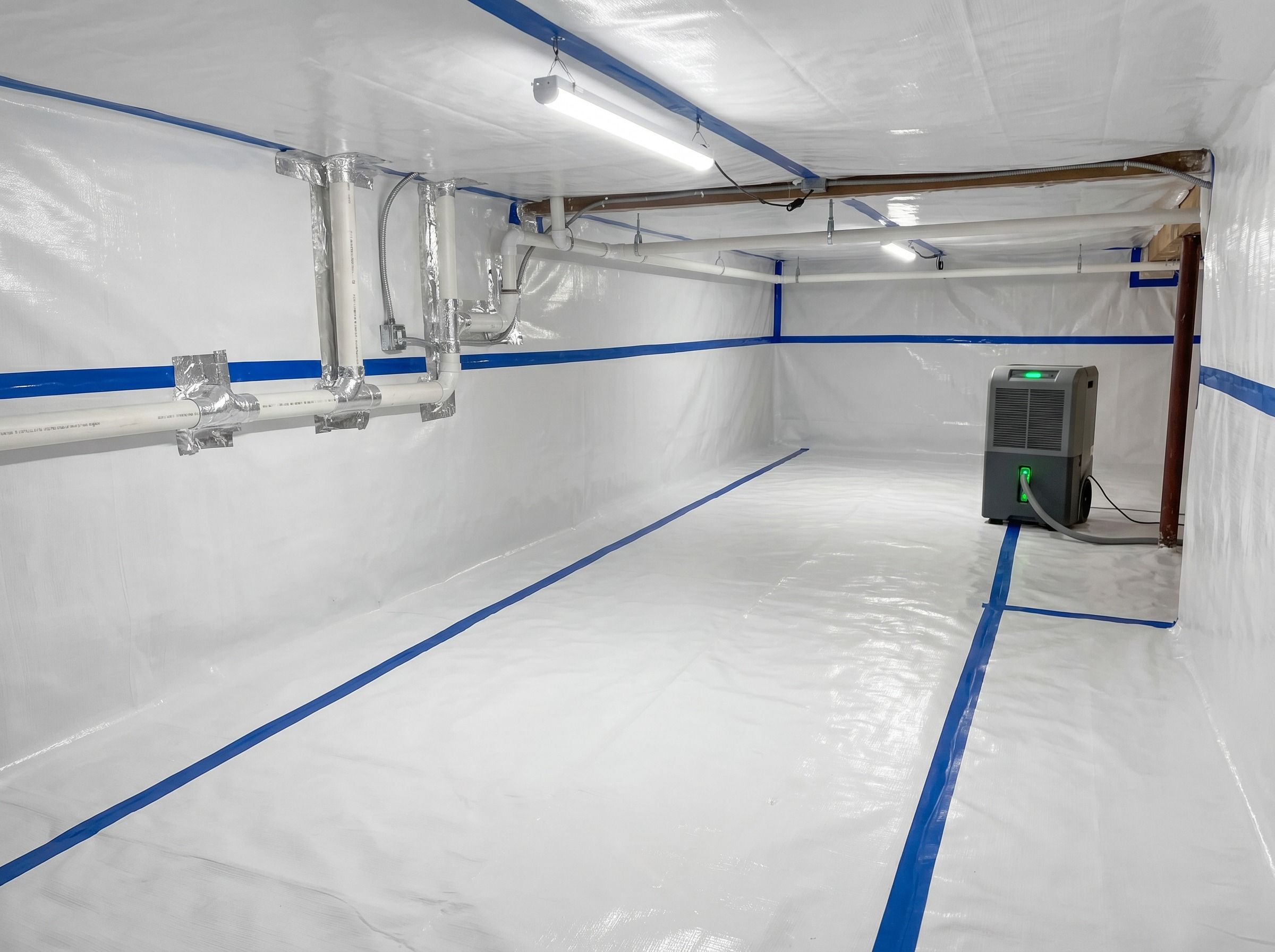
After encapsulation, the crawl space is part of the conditioned envelope. Ducts that leak into the crawl space now leak into conditioned space, not lost air. Typical post-encapsulation energy bill reduction: 10 to 18 percent.
4. Allergies, asthma, or chronic respiratory symptoms
Mold spores, dust mite waste, and rodent dander all originate in (or migrate through) the crawl space, then ride the stack effect up into living spaces.
Common patterns Tennessee homeowners describe:
- Allergy symptoms that don’t go away after the season ends
- Children who develop asthma after moving into an older home
- A persistent cough that improves on vacation and returns home
- Sinus infections that recur every few months
Not every respiratory issue is crawl space related, but if you’ve noticed a pattern that started after moving into an older Tennessee home with a vented crawl space, this is worth investigating. Many homeowners report significant symptom improvement within weeks of completed encapsulation.
5. Insulation falling, soggy, or visibly moldy
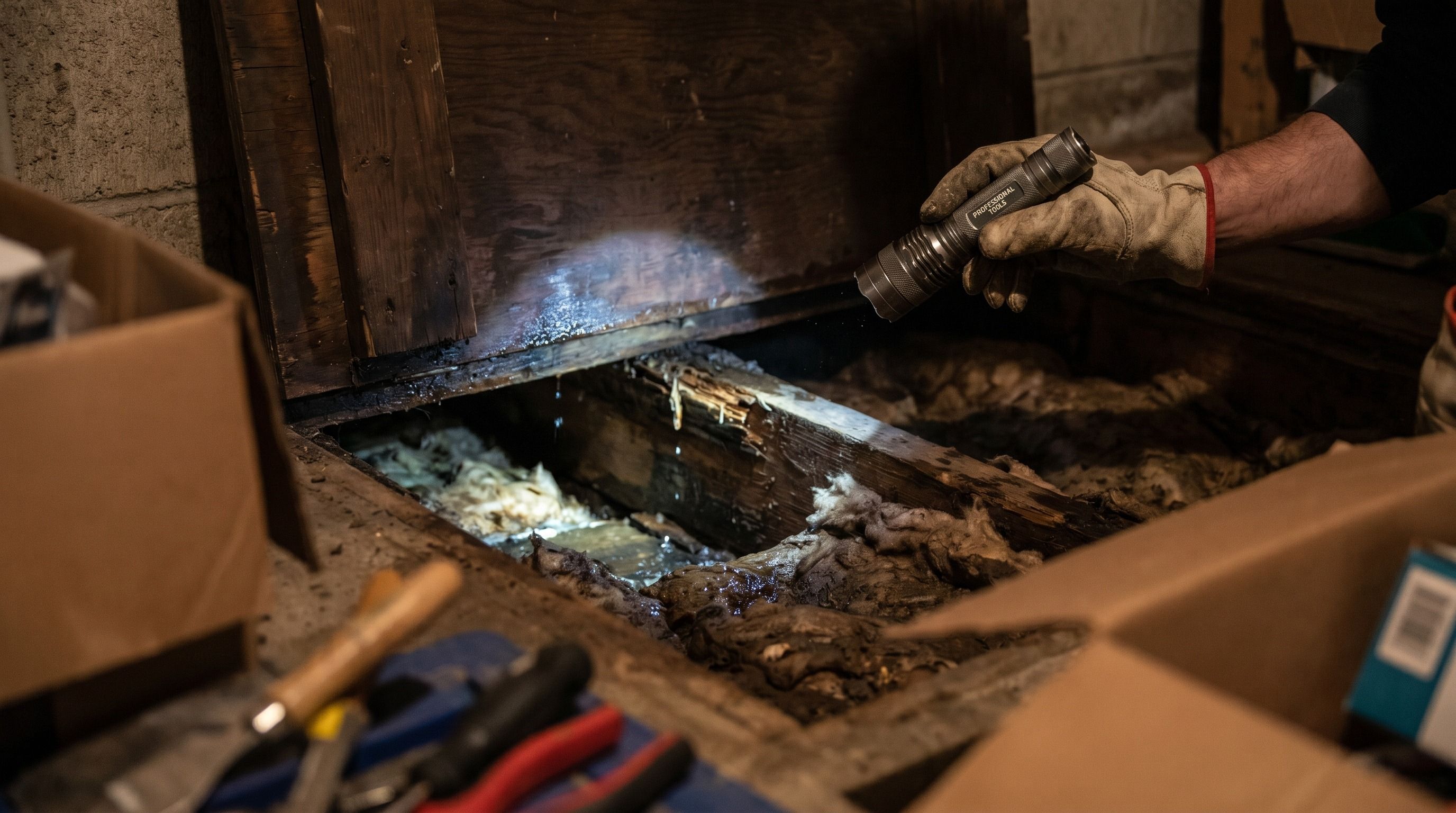
If you’ve ever peeked into your crawl space and seen yellowed, sagging, or wet fiberglass insulation falling from between joists, that’s a clear sign. Vented crawl space humidity destroys fiberglass batts over 5 to 15 years.
What’s worse is that wet, sagging insulation is a sponge for mold spores and a home for pests. The original installation was supposed to protect your floors. Now it’s actively making them worse.
In a properly encapsulated crawl space, insulation moves to the foundation walls (closed-cell foam board) and the floor joists go bare. The fiberglass is removed entirely.
6. Visible mold on floor joists or subfloor
If you can see black, gray, white, or fuzzy growth on the wood framing of your crawl space, you have an active mold problem. Common Tennessee species include Cladosporium, Aspergillus, Penicillium, and (in worst cases) Stachybotrys.
Mold doesn’t grow in a vacuum. It grows because the wood it’s on is consistently above 16 percent moisture content. That moisture comes from the surrounding crawl space humidity.
The remediation is straightforward but must be done by a certified team with proper containment, PPE, and antimicrobial treatment. After remediation, encapsulation is essential — untreated humidity will regrow mold within months.
7. Pest evidence: droppings, gnaw marks, nests
Vented foundation openings are an open invitation to rodents, snakes, and insects. Once they’re in, the warm humid environment is ideal habitat.
What you’ll see:
- Rodent droppings on the dirt floor or in insulation
- Gnaw marks on wood joists or electrical wiring
- Insulation pulled into corners as nesting material
- Snake skins in summer months
- Termite mud tubes on foundation walls
Encapsulation is not a substitute for pest exclusion, but the two pair well. Sealing the crawl space removes the access points AND removes the habitat that makes the crawl space attractive.
8. Condensation on metal surfaces in the crawl space
If you can see water beading on metal HVAC ductwork, copper plumbing, or steel support posts in your crawl space, the crawl space air is at saturation. That’s a dew point problem, and it’s a near-certain indicator of vented crawl space failure.
Beyond being a sign of high humidity, condensation actively damages:
- Ductwork insulation (becomes mold-prone)
- Plumbing connections (slow corrosion)
- Floor joist hangers (rust)
- Electrical junction boxes (corrosion of connections)
Encapsulation eliminates this within days of completion.
9. Slow drains or sewer smell in lower-level bathrooms
A slightly less common but real symptom. When the crawl space pressure is unbalanced (very common with the stack effect plus blocked vents plus modern tight construction above), sewer gas can backflow through floor drains, P-traps that have evaporated, and even normal sink drains.
Encapsulation rebalances the pressure regime in the crawl space and reduces this issue.
10. A home inspector flagged the crawl space
If you’re buying or selling a Tennessee home and the inspector flagged “vapor barrier needs replacement,” “high moisture levels in crawl space,” “mold present on framing,” or any similar finding, treat it as a serious item.
The typical inspection-driven negotiation removes $5,000 to $15,000 from the sale price (or kills the deal entirely). Documented encapsulation work, with warranty paperwork, removes that negotiation completely.
If you’re selling, encapsulating before listing is often a financially smart move. If you’re buying, the seller’s inspection finding is your negotiating leverage.
What to do if you recognize these patterns
The first step is a free inspection. A qualified Tennessee crawl space contractor enters your crawl space, measures humidity, photographs the conditions, and gives you a written assessment. No obligation.
The patterns above are diagnostic. Most Tennessee homes with three or more of these signs need full encapsulation. Homes with one or two might need only a vapor barrier upgrade, mold remediation, or a dehumidifier.
The longer the problems run, the more expensive the eventual fix becomes. Floor joists that rot from decades of humidity exposure cost $15,000 to $40,000 to replace. Encapsulation typically costs $7,500 to $10,500 and prevents that damage from progressing.
Submit a free inspection request through the form on this page and we’ll match you with a licensed local contractor in your Tennessee metro.
Related on this site
Services
Tennessee metros